July 26, 2026
The Work That Never Gets a Case Study
Water quality reports. Seasonal on-hold phone messages. Board minutes formatted for the website. A budget press release that fifteen people will read closely.
This is a substantial share of what we produce, and none of it wins awards.
A resident calls a water district with a billing question and waits on hold for ninety seconds. What plays during those ninety seconds is either useful, current, and clearly voiced, or it is a message about a rebate program. That resident forms an impression either way.
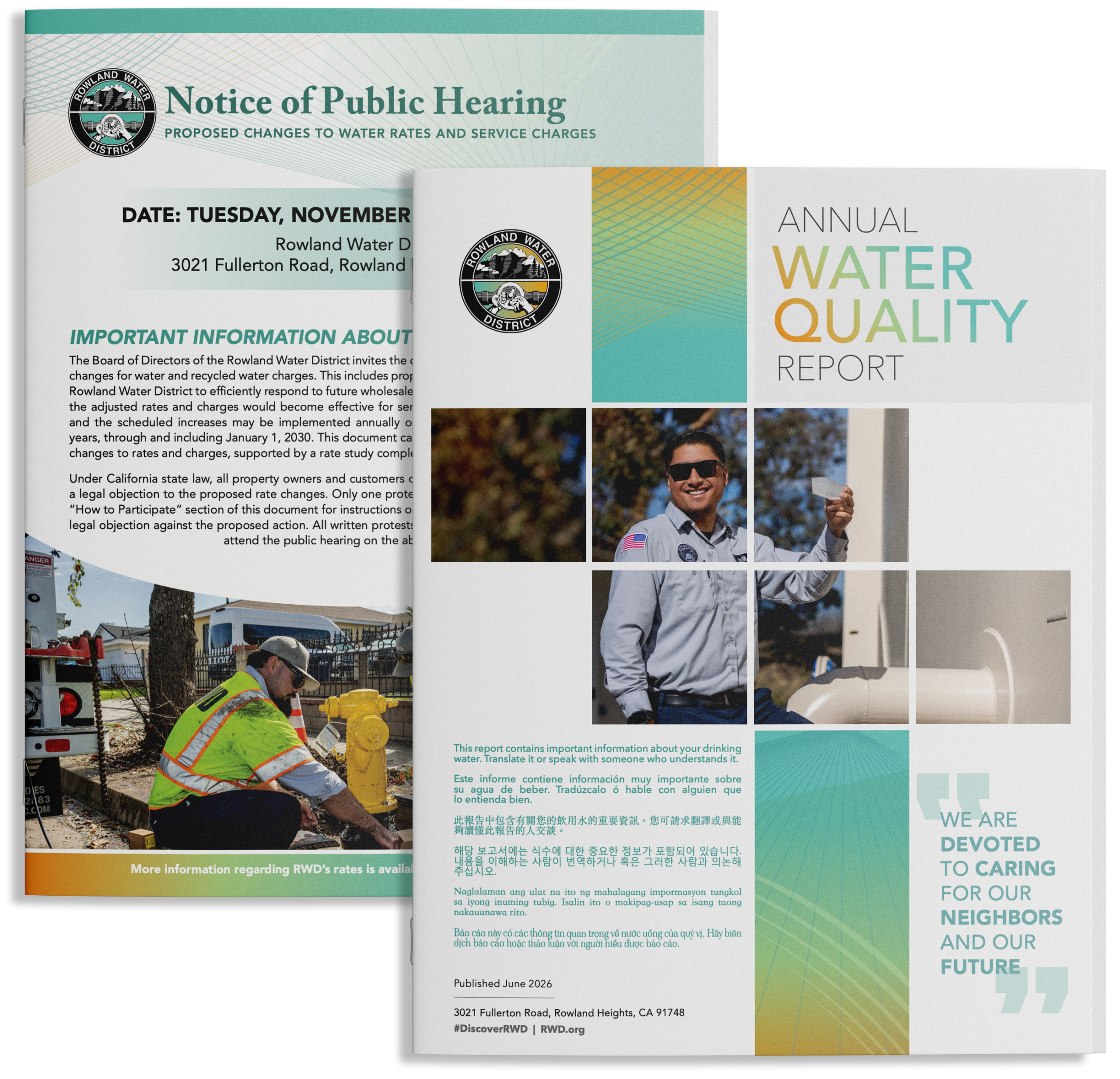
Annual water quality reports arrive with regulatory requirements attached and are frequently written to satisfy the requirement rather than the reader. A report that explains what the numbers mean does regulatory compliance and public education at the same cost.
The agencies with the strongest public standing tend to be the ones that have handled these details consistently for years. Reputation compounds through accumulated small competencies.
Crisis communications gets the attention. Steady, unglamorous, correctly executed routine communications is what makes crisis communications work when it is needed.
Written by Erin LaCombe